
Logo vs Brand Identity: Time to Kill the Myth
The difference between a logo and brand identity is still widely misunderstood. Having a logo designed is not building a brand. Here is the real distinction - and why it matters.
When asked about logo vs brand identity, most people treat them as the same thing. That's as wrong as saying "the door handle and the house are the same." A logo is a starting point; brand identity is the entire house - its walls, scent, light, sound, and the way people inside look at you.
What Is a Logo? What Does It Actually Do?
A logo is a visual representation: a symbol, a typeface, a mark. It accelerates recognition and provides distinction - but it does not generate meaning on its own. Nike's swoosh meant nothing at first. Today, that curve is the surface trace of values built over decades.
A logo does these things: rapid recognition, visual differentiation, registrable symbolic identity. All valuable - all surface level. A logo is small enough to fit in a photo frame; to carry meaning, it needs a great deal beneath it.
What Is Brand Identity? Where Exactly Does It Differ from a Logo?
Brand identity is the entirety of how a company presents itself to the world. A logo is only its visual tip. The answer to how brand identity is built always passes through more than one layer.
- Visual system: logo, color palette, typography, icon language, photography style, white space usage
- Tone of voice: writing style, word choice, emphasis - formal, warm, or bold?
- Experience: customer touchpoints, packaging, website, social media behavior
- Values: what the company believes in, what it refuses, what stance it takes
- Consistency: all these elements delivering the same message everywhere, always
Let's be direct
A beautiful logo does not build a brand. A consistent system, clear values, and the same energy felt at every user touchpoint - that builds a brand.
Why Is This Misconception So Widespread?
Because a logo is seen, while brand identity is felt. A logo is saved in a file, shown in a presentation, approved. Brand identity is built over time - through decisions, behaviors, and daily actions rather than presentations.
There's also this: a logo appears cheap and quick. Brand identity demands strategy, research, and depth. Many companies spend the budget on a logo and set identity aside. The result? Visually polished but soulless brands.
A brand is not a logo. A brand is what people feel about you.
- Marty Neumeier, The Brand Gap
How Much Space Does a Logo Take in a Brand?
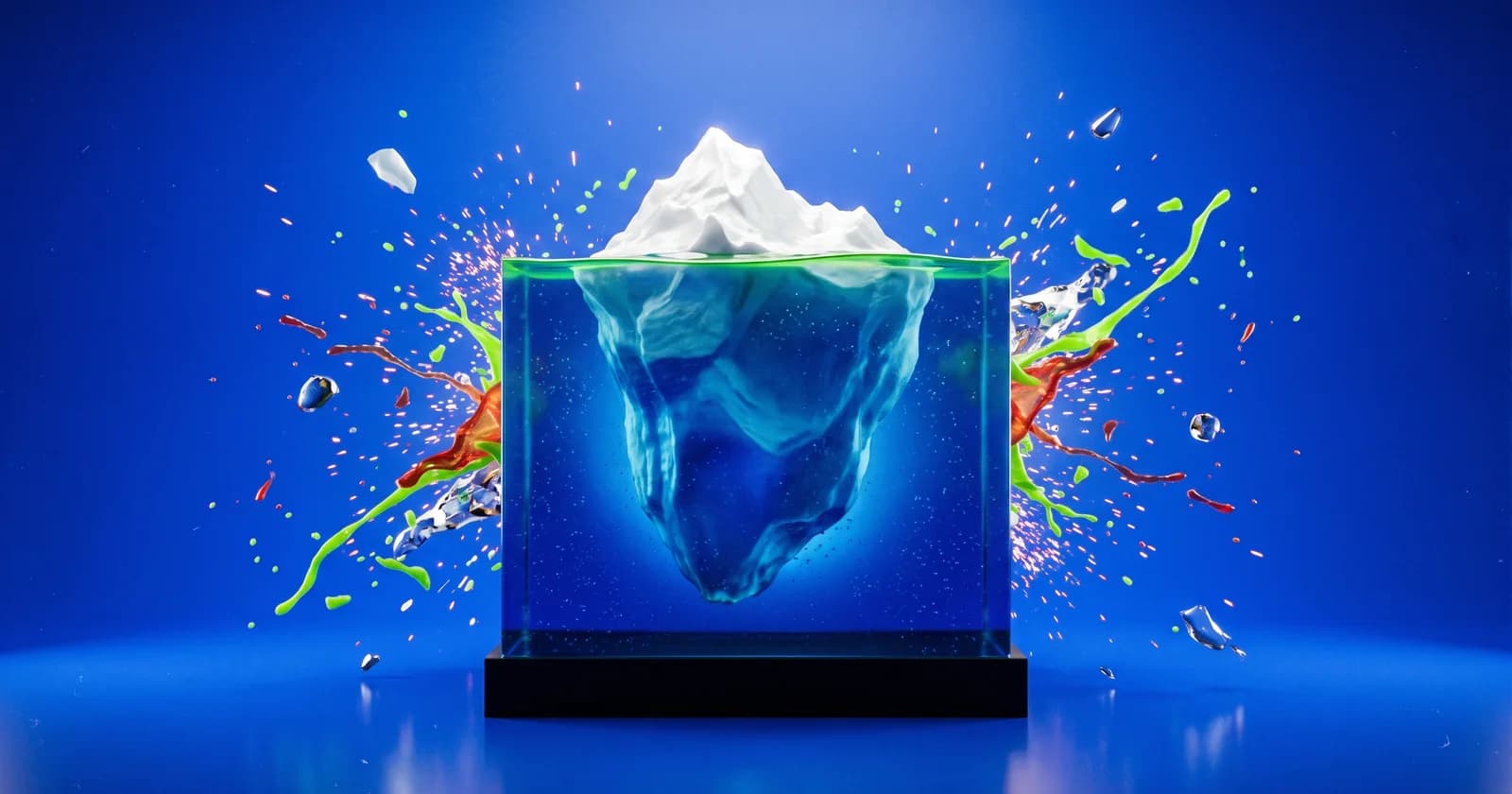
Think of brand identity as an iceberg. The logo is what's above the water - what everyone sees. Beneath it lies a massive structure: color system, typographic hierarchy, tone of voice guide, visual language, brand stories, content strategy, design principles.
- Logo - the smallest unit of visual identity
- Color palette - emotional association and consistency
- Typography system - personality and readability balance
- Visual language - photography style, illustration, icon set
- Tone of voice - shows who you are in every sentence
- Design principles - the rules governing the system
- Touchpoint experience - web, social media, packaging, physical space
Why Does This Matter to You? Practical Consequences
If you've had a logo made and said "our brand is done," you should read the article on rebranding signals - because you'll likely be wrestling with inconsistency within a year. Inconsistent brand identity is the equivalent of hitting your customer over the head.
A strong brand identity delivers:
- Reduced price sensitivity - people bargain less when they feel value
- Greater customer loyalty - consistent experience builds trust
- Stronger employee engagement - working for a company that knows who it is carries more meaning
- Easier differentiation from competitors - the entire system sets you apart, not just the logo
- Faster content production - a clear identity means fewer decisions made from scratch
How Is a Brand Identity Built?
The long answer is detailed, but the short version is: strategy first, visuals second. First: "what are we, who are we speaking to, what makes us different?" Then: the visual, verbal, and experiential translation of those answers. Our brand service is designed to manage this process from start to finish.
At POI369, looking at the world from Tallinn, what we see is this: the most successful brands stand out not because of their logos but because they consistently show who they are everywhere. That takes courage. And it takes a system.
+Does having a logo made mean creating a brand identity?
No. A logo is a single element within the visual system of brand identity. Brand identity is a multi-layered whole encompassing color, typography, tone of voice, values, and customer experience. The logo is the surface of that whole.
+How long does it take to create a brand identity?
A foundational brand identity system - including strategy, visual system, and tone of voice - typically takes 6-12 weeks. However, a brand grows stronger as it is implemented consistently over time; it is a process, not a one-off project.
+Does a small business need a brand identity?
Absolutely. It is arguably more critical for small businesses: without a large budget, consistency and clarity are essential to earn a place in the customer's mind. Even the trio of logo + color + tone of voice delivers tremendous value as a starting point.
Don't miss these
How to Create Brand Identity: A Complete Guide to Building a Strong Brand from Scratch
Strategy, visual language, tone of voice, positioning - a step-by-step, concrete answer to how to create brand identity.
When to Rebrand? 7 Clear Signs Your Brand Needs a Reset
Changing your logo is not rebranding. So when does a real brand transformation become necessary? Here are 7 clear signs telling you "stop, it's time to refresh."
Is AI Now “Super Intelligence”? AI vs AGI vs ASI Explained
On 29 September 2026 the US government started calling AI “Super Intelligence”. Did artificial intelligence actually get renamed? We explain the difference between AI, AGI and ASI, how the big labs define superintelligence and what the debate means for brands, with sources.
Tell us your project
Got an idea, or a brand that's stuck? Grab a coffee - we'll blow up the rest.
Let's talk →